hyundai_cert

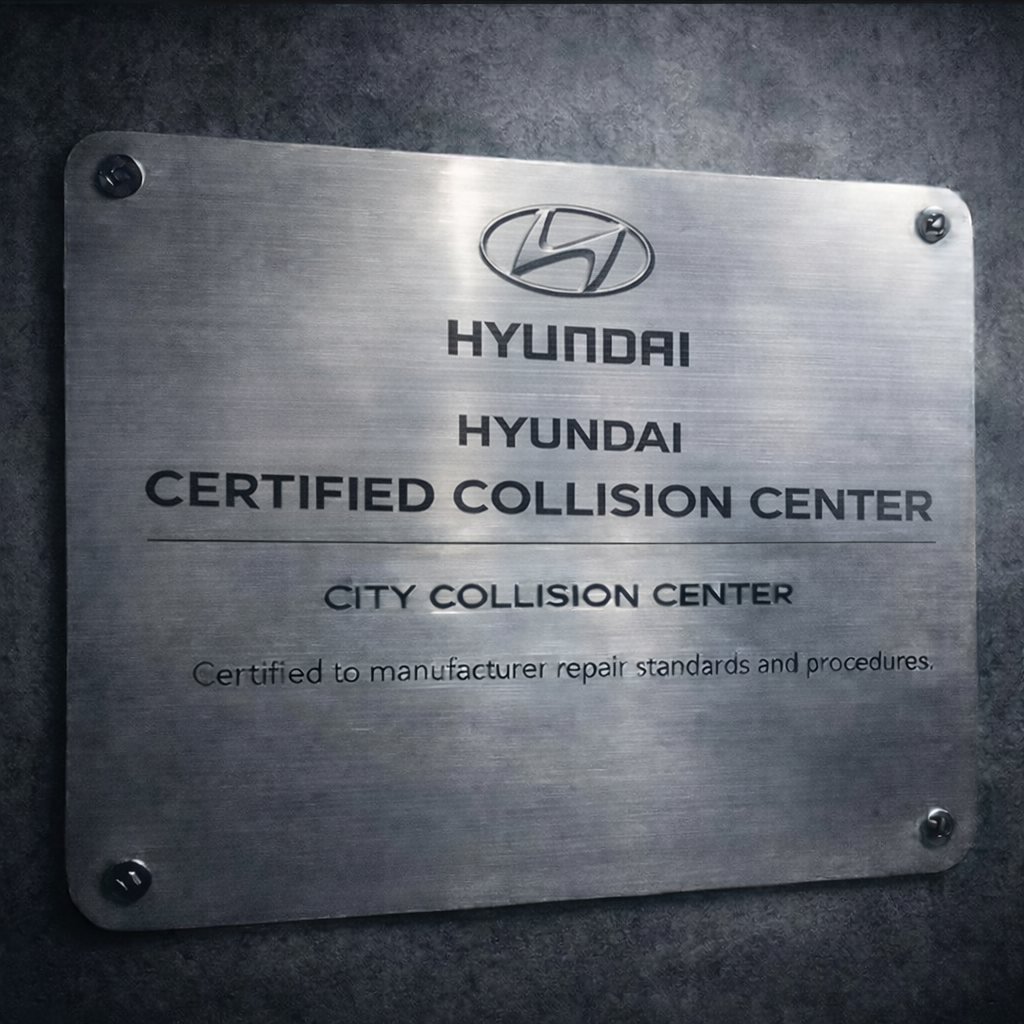
HYUNDAI CERTIFIED
COLLISION CENTER
Modern Hyundai vehicles rely on advanced materials, sensors, and safety systems. We restore them using OEM-aligned repair procedures, correct structural methods, and calibration-ready processes — so the car drives, protects, and performs like it should.
Repairs that protect safety technology — not just paint.
Hyundai engineering blends structure, electronics, and safety systems into one package. Collision repair needs correct planning, correct materials, and correct verification — to keep everything working together.
Repair decisions guided by manufacturer procedures — not guesswork.
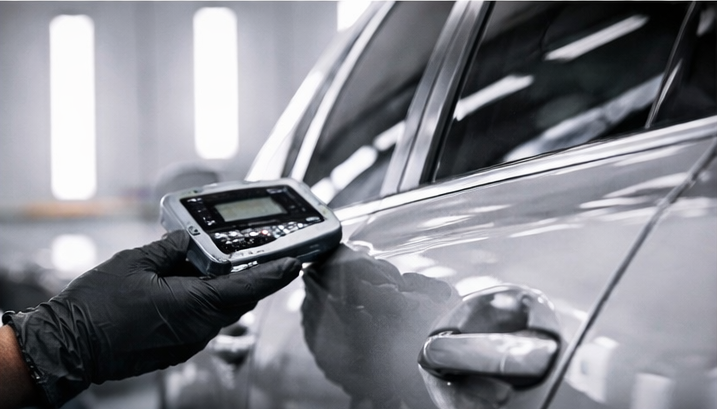
Hyundai safety tech relies on sensors; calibration and verification are part of a proper repair.
Correct measuring + alignment restores handling, stability, and crash performance.
Safety systems recalibrated — not guessed.
Hyundai vehicles rely on radar, cameras, and electronic safety systems that must function exactly as designed. After collision repair, proper calibration and verification ensure lane assist, braking, and collision-avoidance features perform correctly on the road.
Certified process. Real standards. Real results.
Correct materials, correct repair points, correct finish sequence.
Protect what matters: structure, restraint systems, and sensor performance.
Precision you can feel.
A process that protects performance.
Hyundai vehicles are built around structure + safety systems. Here’s how we keep repairs clean, correct, and confidence-ready.
Blueprint the repair
We document damage, confirm parts strategy, and build an OEM-aligned plan.
Measure + restore geometry
Correct structure is the foundation — we restore factory alignment and integrity.
Refinish + calibration-ready checks
Finish quality + verification steps so systems and sensors perform correctly.

Hyundai repair questions — answered.
Clean, premium FAQs styled to match the modern Hyundai vibe.
Do you use OEM procedures on Hyundai repairs?
Yes — we repair using manufacturer-aligned procedures and verified steps, not shortcuts.
Can you handle ADAS and sensor systems?
Modern Hyundai vehicles rely on sensors. Calibration and verification are part of a proper repair.
Can I get a fast estimate?
Yes — tap “Request Estimate” and we’ll guide you through photos or an in-person inspection.
Ready to restore your Hyundai?
Get the repair done right — structure, systems, paint, and final verification. Confidence starts here.